

Are There Earbuds That Translate Languages? The way forward for Actual-Time Communication Is Here
Think about strolling by a bustling market in Tokyo, ordering tapas in Barcelona, or negotiating a business deal in Beijing—all without figuring out a word of the local language. Due to fast developments in know-how, this futuristic dream is now a reality. Language-translating earbuds are here, and they’re transforming the best way we communicate across linguistic barriers.

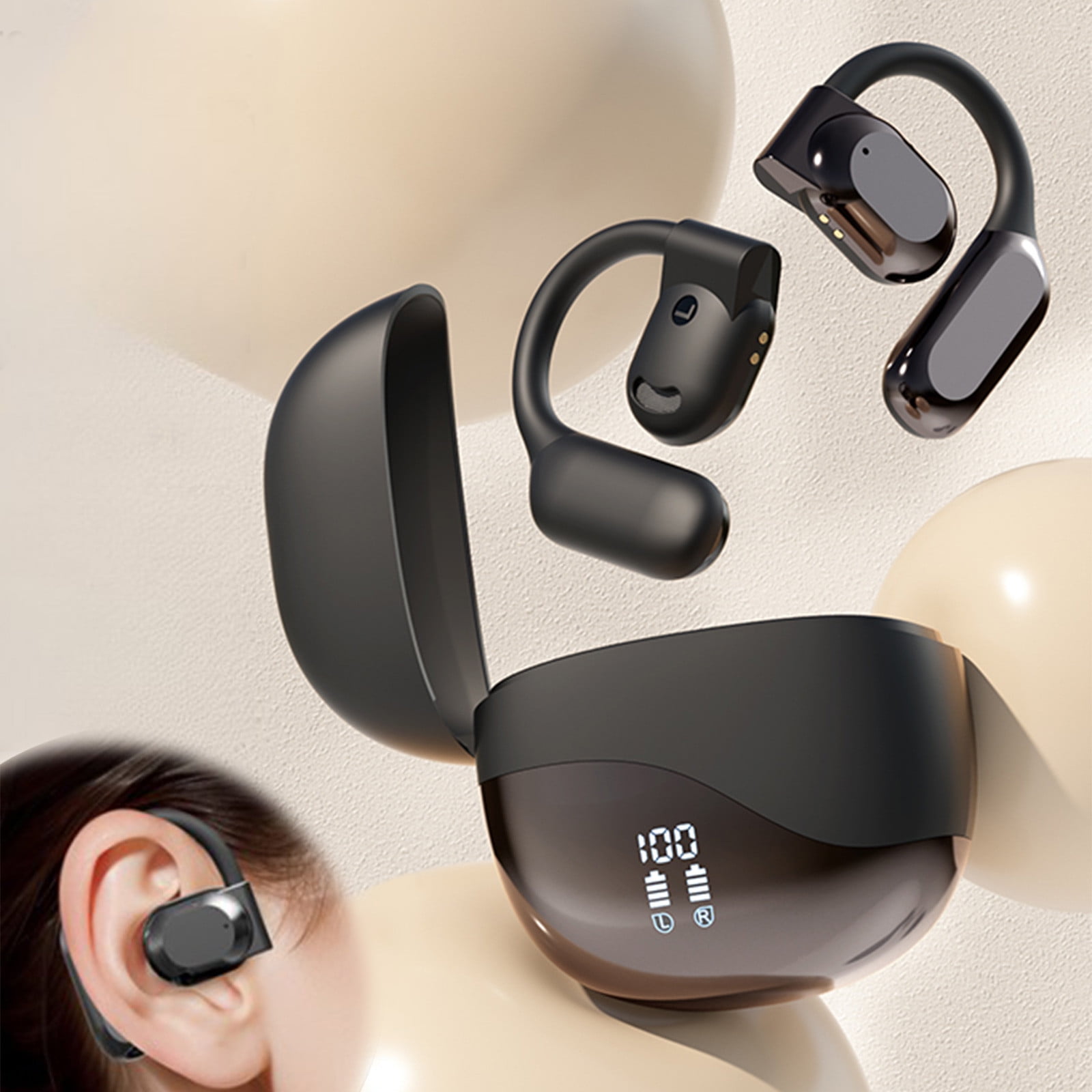 However do they actually work? And are they able to replace phrasebooks and translation apps? Let’s explore the world of actual-time translation earbuds and what they mean for travelers, professionals, and language lovers.
What Are Translation Earbuds?
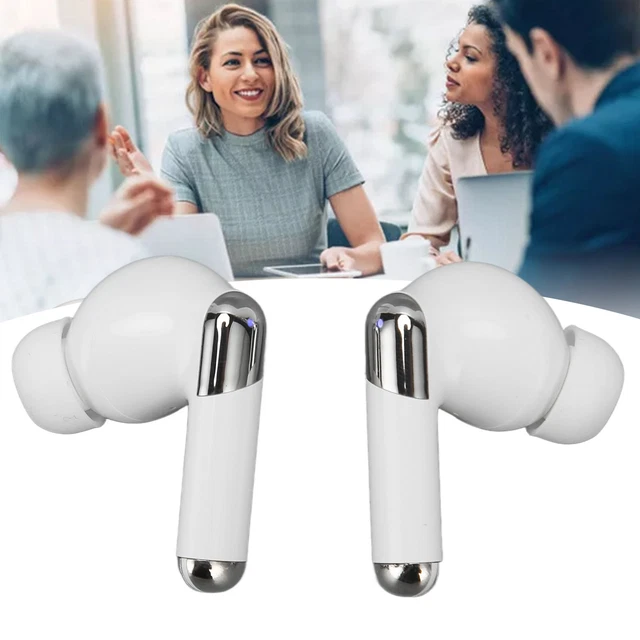 Translation earbuds are wireless earpieces geared up with artificial intelligence (AI), speech recognition, and actual-time translation capabilities. They work by capturing spoken phrases in a single language, immediately translating them into another, and taking part in the translated audio immediately into your ear—often within seconds.
Some fashions even support two-manner conversations, allowing each events to speak of their native languages and hear every other’s phrases translated in actual time. These gadgets are often paired with a smartphone app that manages language settings, improves accuracy, and stores dialog history.
How Do They Work?
The process seems like science fiction, but it relies on a combination of properly-established and reducing-edge applied sciences:
- Speech Recognition: Advanced microphones choose up spoken language and convert speech to text.
- Machine Translation: AI-powered translation engines (like those utilized in Google Translate or DeepL) interpret the textual content and convert it into the target language.
- Text-to-Speech Synthesis: The translated text is transformed back into spoken audio and delivered to the listener via the earbuds.
- Noise Cancellation & Context Awareness: Many fashions use noise-filtering tech to give attention to the speaker’s voice and higher understand context, enhancing accuracy.
All of this occurs in close to real-time—typically with a delay of only a few seconds.
Leading Translation Earbud Models
Several corporations have launched products on this emerging house. Listed here are a few of essentially the most notable:
1. Waverly Labs – Pilot Smart Earbuds
One of many pioneers in the field, the Pilot earbuds provide actual-time two-way dialog translation in over 20 languages. They’re designed for face-to-face interactions and include a companion app that lets users customize language pairs and improve translation accuracy.
2. Timekettle – WT2 Edge & M3
Timekettle’s WT2 Edge earbuds are common amongst travelers. The M3 mannequin provides AI-driven offline translation, meaning they can work even without an web connection. They help 40+ languages and have a “Conversation Mode” the place both users can converse naturally and listen to translations seamlessly.
3. Google Pixel Buds (Latest Models)
While not solely translation-targeted, the latest Google Pixel Buds combine tightly with Google Translate. Using the phone’s processing power, they can present real-time interpretation throughout conversations—especially useful when touring or working with international groups.
4. Apple AirPods with iOS Translation App
Although AirPods themselves don’t have constructed-in translation, when paired with Apple’s Translate app on iPhone, customers can have close to-actual-time dialog translation. The app displays translated textual content on-screen whereas audio performs by way of the earbuds, blending comfort and readability.
Are They Accurate?
Translation earbuds have come a great distance, but they’re not perfect—yet.
- In managed environments: With clear audio and simple phrases, accuracy will be quite excessive, especially for common language pairs like English-Spanish or English-French.
- In noisy settings or with advanced sentences: Accuracy can dip, particularly with idioms, slang, or fast speech.
- Offline efficiency: Fashions with offline AI translation (like Timekettle M3) are spectacular, however online-dependent earbuds usually offer higher outcomes as a result of access to cloud-primarily based sekoda ai translation earbuds.
That mentioned, machine learning is continually improving these programs. With every conversation, translation fashions get smarter and more context-aware.
Who are They For?
These earbuds are especially worthwhile for:
- Travelers: Navigate overseas cities, order food, and ask for instructions with out language stress.
- Business Professionals: Hold meetings with international purchasers with out needing an interpreter.
- Expats & Language Learners: Observe new languages with native audio system and obtain actual-time suggestions.
- Healthcare & Schooling Employees: Talk effectively with patients or college students who communicate different languages.
Challenges and Limitations
While thrilling, translation earbuds still face hurdles:
- Latency: Even a few seconds of delay can disrupt pure dialog stream.
- Battery Life: Fixed listening and processing drain battery quickly—some models final solely 2–3 hours in translation mode.
- Privacy Considerations: Steady voice recording raises knowledge security questions, particularly in delicate conversations.
- Worth: These gadgets are still comparatively costly, starting from $a hundred and fifty to over $300.
The way forward for Translation Expertise
As AI and natural language processing proceed to evolve, we will expect translation earbuds to become faster, smaller, more accurate, and extra reasonably priced. Future iterations may embody:
- Seamless multilingual group conversations
- Emotion and tone detection to preserve nuance
- Integration with AR glasses for visible subtitles
- Really on the spot, human-like translation
Specialists predict that within the next decade, real-time translation might become as common as GPS navigation—making language barriers a thing of the previous.
Closing Ideas
Yes, translation earbuds are real—and they’re already changing how we join across cultures. While they’re not flawless, they represent a significant leap forward in global communication. For anyone who’s ever struggled to precise themselves in a foreign language, these devices offer not just convenience, however true connection.
As the technology matures, we’re transferring closer to a world where language is now not a barrier, but a bridge. The way forward for conversation is multilingual, and it’s playing right in your ears.
Have you tried translation earbuds? Share your experience within the comments! ????????????
0